

Autumn: the season that sets up next year
There is a particular pleasure in a bright, still October morning: the air sharp, the light low, and the garden quietly changing gear. Autumn is not a time to shut the door on the plot and retreat indoors. It is, in fact, one of the most productive stretches of the gardening year. The soil is still warm from summer, the rain has returned, and anything you plant or protect now will thank you handsomely come spring. Think of it as laying the table for next year's growing season, one job at a time.
You do not need to do everything at once. Work through the list below as the weeks allow, and you will find the whole thing far less daunting than it looks on paper.
Plant bulbs for a spring you will be glad of
If you do nothing else this autumn, plant bulbs. They are the single best return on effort in the garden, and the window for getting them in the ground is generous — roughly September to November for most, depending on where you are in the UK.
- Daffodils and narcissi go in first, from late August onwards, while the soil is still warm enough for roots to form.
- Tulips are best left until November. Planting them later reduces the risk of tulip fire, a fungal problem that thrives in warm, damp autumn soil.
- Alliums, crocuses, snowdrops and muscari can go in at any point through autumn.
- As a rule of thumb, plant each bulb at roughly three times its own depth. Space them generously — crowded bulbs flower poorly.
- In heavy clay, drop a handful of grit into the planting hole to improve drainage. Soggy bulbs simply rot.
If you fancy flowers indoors in the depths of winter, pot up a few hyacinths or a paperwhite narcissi now and keep them somewhere cool and dark for six to eight weeks before bringing them into the light.
Clear leaves — but put them to work
Fallen leaves are not rubbish, they are next year's soil improver. Left on the lawn, however, they smother grass and encourage disease, so clear them from turf and paths regularly rather than waiting for one big tidy-up.
- Rake leaves into a wire bin or a bin bag with a few holes punched in it. Damp them if they are dry, tie the top loosely, and leave for a year.
- The result is leaf mould, a superb mulch for borders and woodland plants, and far better than anything you can buy.
- If you have a lot of leaves, run the mower over them on the lawn and collect the shreddings — they break down far faster.
- Clear fallen fruit from under apples and pears too, as leaving it to rot encourages pests and disease to overwinter.
While you are tidying, cut back spent perennials that have gone floppy and brown, but leave seedheads on sedums, teasels and grasses where you can. They feed the birds and look wonderful rimed with frost.
Protect tender plants before the first frost
Most of the UK can expect a first frost sometime between late September and early November. Have your defences ready before the forecast turns cold, not after.
- Move pots. Tender container plants such as pelargoniums, citrus, agapanthus and fuchsias should come under cover — a greenhouse, conservatory or sheltered porch.
- Raise outdoor pots onto pot feet or bricks so they do not sit in standing water. Wet cold kills more plants than dry cold.
- Wrap terracotta and glazed pots in bubble wrap or hessian to stop them cracking.
- For plants staying in the ground, use horticultural fleece on frosty nights, or a thick mulch of bark or compost around the crown for insulation.
- Before bringing anything indoors, check the undersides of leaves and the rims of pots for pests. A few vine weevils or whitefly now become an infestation by January.
Drain hosepipes, lag outdoor taps and clean greenhouse glass while you are at it — clearer glass means more of the low winter light gets through.
Look after the lawn, beds and soil
Autumn is the best time of year to feed and improve your soil, because worms and microbes are still active and will work the goodness in over winter.
- Scarify and aerate the lawn, then apply an autumn lawn feed that is low in nitrogen and higher in potassium and phosphorus, to strengthen roots rather than push leafy growth.
- Spread a generous mulch of well-rotted manure or compost over empty beds. Leave the worms to pull it down.
- Plant garlic and overwintering broad beans now for an early crop next summer. Both benefit from a cold snap.
- Start bare-root planting season — trees, roses, hedging and fruit bushes establish far better planted now than in spring.
- Lightly prune roses to stop them rocking in winter gales, but save the proper prune for late winter.
Bring the houseplants in and settle them down
Houseplants notice the change even if they never go outside. Shorter days and lower light mean most of them need less water, not more, so ease off the watering can and stop feeding altogether until spring.
If your plants spent summer on the patio, bring them in before night temperatures dip below about 10°C. Give the leaves a good wash to remove dust and any hitchhiking insects, and check the compost surface for fungus gnats. Move plants closer to a bright window, but keep them clear of radiators and cold draughts from open doors — both cause more damage than most people realise.
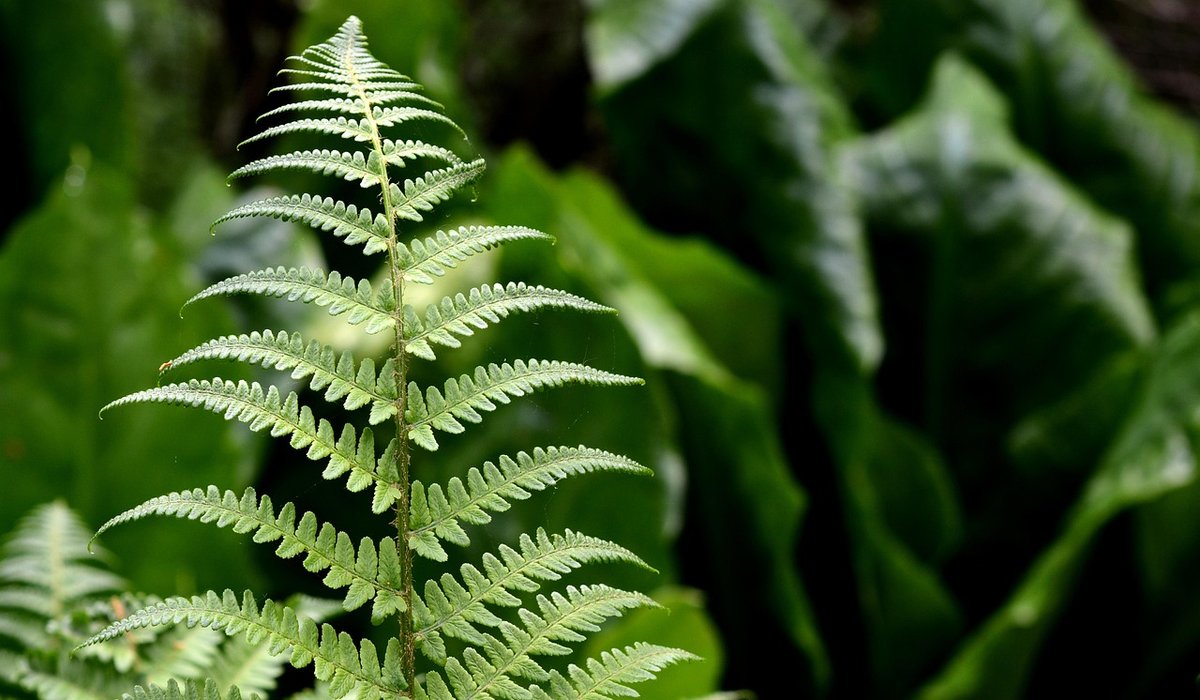
Grouping plants together raises humidity slightly, which suits ferns, calatheas and other jungle natives. Cacti and succulents, by contrast, are happiest cool and almost dry through winter. And if you have an amaryllis or Christmas cactus, this is the moment to give it a cool, darker spell to trigger buds later on.
Do a little each week, and by the time the first hard frost arrives you will be able to put your feet up, seed catalogue in hand, knowing the garden is safely tucked in for winter.





John Doe
14 January, 2022Having no content in post should have adverse..
Chauffina Carr
10 April, 2022We use these tests all time! Killer stuff!
Jim Séchen
16 July, 2022Thanks for all the comments, everyone!