

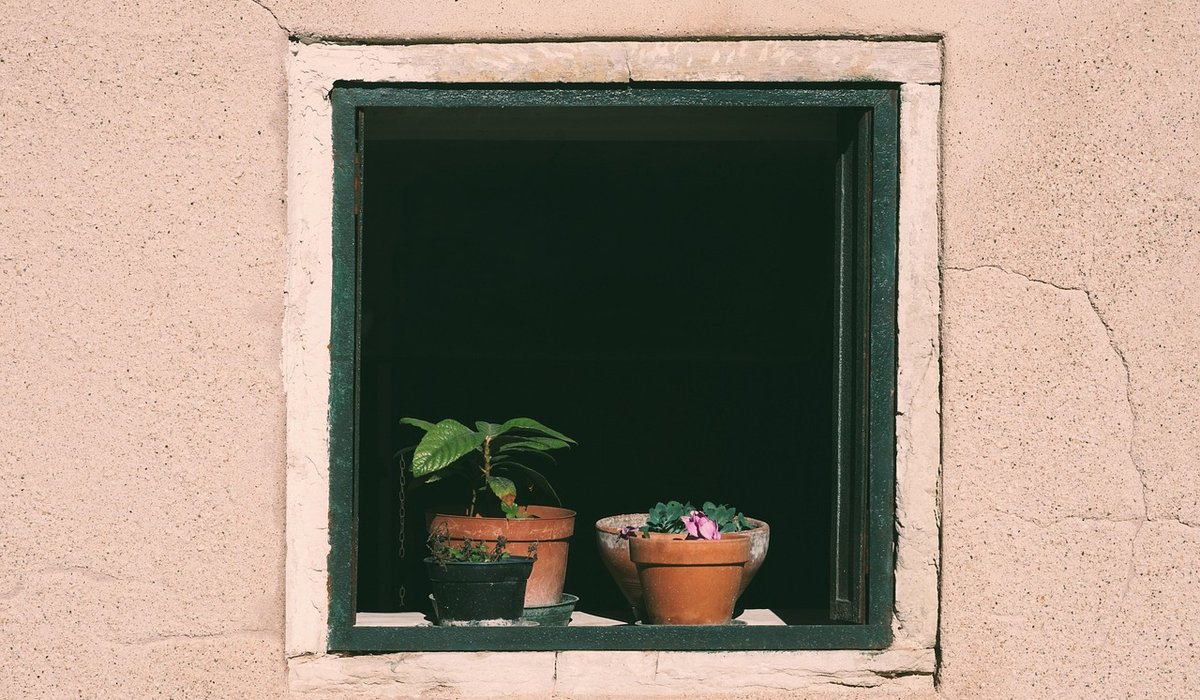
If your indoor plants sulk despite regular watering, the compost is often the culprit. In a pot, roots need air as much as water. Without airflow, they suffocate and rot. Choosing the right compost – and knowing how to tweak it – is simpler than you might think. Getting it right saves endless trouble later.
Why free-draining compost matters
In the garden, soil is aerated by worms and gravity. In a pot, your compost is the entire world for the roots. If it stays wet, air spaces fill with water. Roots need oxygen, so they weaken and die. That is when root rot takes hold, usually from heavy compost and overwatering.
Free-draining compost is not about water rushing through. It is about balance: holding enough moisture whilst letting surplus drain and air circulate. A good mix feels crumbly, not claggy. If a squeezed handful forms a sticky ball, it is too heavy for most houseplants. Many shop-bought composts are designed for outdoor beds, where rain and worms help. Indoors, they compact quickly, so adding perlite or bark is almost always worthwhile. A simple tweak can make all the difference.
The best ingredients
Start with a peat-free multi-purpose compost, then add structure. Here are the key ingredients:
- Perlite: White volcanic granules that create air pockets. Mix one part to two or three parts compost.
- Fine bark: Pine or orchid bark. Breaks up dense compost and holds a little moisture. Excellent for aroids and ferns.
- Coir: A sustainable peat alternative. Holds water but drains freely.
- Horticultural grit: Small washed stones. Ideal for succulents and cacti.
- Vermiculite: Holds water and nutrients. Use sparingly for ferns; too much keeps succulents wet.
A good base: two parts compost, one part perlite, one part fine bark. For succulents: one part compost, one part grit, one part perlite. These ratios are a guide, not a rule. A plant that prefers drier conditions can take more perlite; one that likes moisture can have extra coir.
Matching the mix to your plant
Not all indoor plants want the same. Succulents, cacti and snake plants need sharp drainage. Ferns, calatheas and peace lilies prefer moisture-retentive but airy compost. Orchids grow in bark, not standard compost – use a dedicated orchid bark mix. Aroids like monstera and philodendron love a chunky mix of compost, perlite and bark. When unsure, err on the side of drainage – it is easier to rescue an underwatered plant than a rotted one.
Spot and fix waterlogged compost
Signs include yellow leaves, soft stems, soggy compost and fungus gnats. If the plant wilts despite wet compost, roots are rotting. If the compost smells sour, that is another sign of anaerobic conditions. Act quickly: remove the plant, shake off old compost, trim mushy roots, and repot into fresh free-draining mix. Use pots with drainage holes. Never let pots sit in water; empty saucers after half an hour. Terracotta helps wick away moisture.
Simple steps to improve any compost
You do not need to throw away shop-bought compost. When repotting, always add perlite or bark – aim for 20 to 30 per cent perlite by volume. Water less in winter. If you overwater, use more grit or perlite and a slightly smaller pot. A plant in an oversized pot sits in wet compost for longer, which is a hidden cause of root rot. Top-dressing with fresh compost in spring can also refresh a mix without full repotting.
A reliable recipe to start with
For most houseplants: two parts peat-free multi-purpose compost, one part perlite, one part fine bark. For succulents: one part compost, one part grit, one part perlite. For ferns: two parts compost, one part coir, one part perlite, plus a small handful of vermiculite. Mix small batches in a bucket or tray, and store leftover mix in a dry place.
Adjust as you learn. Your plants will tell you if the mix is too heavy or too light. Start with the basic recipe and adapt over time. Get the compost right, and everything else becomes much easier.





John Doe
14 January, 2022Having no content in post should have adverse..
Chauffina Carr
10 April, 2022We use these tests all time! Killer stuff!
Jim Séchen
16 July, 2022Thanks for all the comments, everyone!