


Ferns have a reputation for being thirsty, but the truth is that more ferns are killed by kindness than by neglect. Overwatering is the single most common reason these beautiful foliage plants decline in UK homes and gardens. The secret is not to keep the compost permanently wet, but to keep it consistently moist without ever letting it become soggy. The roots need oxygen as much as they need water, and when they sit in a waterlogged pot, they suffocate and rot.
This guide will show you how to water ferns with confidence, whether you are tending a Boston fern in a north-facing living room or a hardy male fern in a damp border. The principles are the same: let the top layer dry out, ensure excellent drainage, and always check before you pour.
Why ferns are different from most houseplants
Ferns evolved on forest floors, where they enjoy constant humidity and dappled shade, but their roots run through leaf litter and loose soil that drains freely. They never sit in standing water. In our homes, central heating and double glazing create dry air, which tempts us to water more often. But wet compost is not the same as humid air. A fern can be surrounded by dry air and still suffer root rot if its roots are waterlogged.
The key is to think about the root zone, not the fronds. A fern with crispy leaf tips is often underwatered or in air that is too dry, but a fern with yellowing lower fronds, a sour smell, or mushy stems is almost certainly overwatered. Learning to tell the difference saves plants.
The golden rule: let the top layer dry out
Never water on a fixed schedule. A fern in a cool, north-facing room in winter needs far less than the same plant in a warm conservatory in July. Instead, check the compost before every watering. Push your finger into the compost up to the first knuckle, about 2–3 cm. For most ferns, that top layer should feel dry to the touch before you water again. Below that, it can remain slightly moist.
For larger pots, lift the pot. A pot that feels light is ready for water; a heavy pot is still holding moisture. You can also use a wooden stick or a moisture meter. Insert it into the compost and leave it for a minute. If it comes out clean and dry, water. If it comes out dark and damp, wait. In winter, let the top 5 cm dry out for most indoor ferns, as growth slows and roots take up much less water.
Drainage holes are not optional
Every pot you use for a fern must have drainage holes. This is non-negotiable. If you want to display your fern in a decorative cachepot, that is fine, but empty the cachepot 30 minutes after watering. Never let the inner pot stand in a puddle. If your pot sits on a saucer, tip away any excess water that collects.
The compost matters too. Use a peat-free mix that includes perlite, bark, or horticultural grit to open up the texture. For outdoor ferns in heavy clay soil, dig in plenty of organic matter and grit before planting. If you are repotting, choose a pot only one size larger. An oversized pot holds more compost than the roots can use, and that excess stays wet for too long.
- Check that every pot has clear drainage holes.
- Empty saucers and cachepots 30 minutes after watering.
- Use a free-draining, peat-free compost with added perlite or bark.
- Never add a layer of gravel to the bottom of a pot; it raises the water table and makes things worse.
How to water ferns properly
Bottom watering is the safest method for ferns. Stand the pot in a bowl or sink of room-temperature water for 20–30 minutes. The compost will draw up moisture through the drainage holes. Then lift the pot out, let it drain completely, and return it to its saucer. This encourages roots to grow downwards and keeps the crown and fronds dry, which helps prevent fungal problems.
If you prefer to water from the top, use a narrow-spouted can and aim for the compost, not the leaves. Water in the morning so that any splashes on the fronds evaporate during the day. Use rainwater or filtered water if you live in a hard water area, as ferns dislike the lime. In summer, you might need to water every 3–4 days; in winter, every 10–14 days. Always check first. A fern in a cool hallway may need water only once a fortnight in January.
Recognising and rescuing root rot
Root rot does not happen overnight. Early signs include yellowing lower fronds, a generally drooping appearance even though the compost is wet, and a sour or musty smell from the pot. If you suspect root rot, act quickly. Remove the fern from its pot and gently rinse the roots under room-temperature water. Healthy roots are firm and pale. Rotten roots are brown, mushy, and fall apart.
Use sterilised scissors to cut away all the rotten roots. Repot the fern into fresh, free-draining compost in a clean pot with drainage holes. Water sparingly for the next few weeks, just enough to keep the compost barely moist. Do not feed until you see new growth. If the crown, the growing point at the base, is soft and brown, the plant may be beyond saving, but it is always worth trying.
Seasonal adjustments for UK gardeners
In winter, reduce watering dramatically. Indoor ferns near radiators will appreciate extra humidity, so group them with other plants or stand them on a pebble tray filled with water. The pebbles keep the pot out of the water, so roots stay dry while the air around the fronds becomes more humid. Outdoor ferns in pots should be raised on pot feet to stop them sitting in winter wet. In borders, ensure the soil drains freely; ferns in boggy clay will rot.
In summer, check your ferns more often, especially during hot spells. If you go on holiday, do not leave your fern sitting in a tray of water as a makeshift reservoir. Instead, move it to a shady spot, water it thoroughly, and group it with other plants to slow evaporation. For tree ferns, keep the trunk moist but never waterlogged. The same rule applies: moist, not soggy.
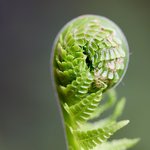
With a little care and a lot of patience, your ferns will reward you with lush, unfurling fronds for years. The secret is simple: check the top layer, water only when it is dry, and make sure any excess water can always drain away.





John Doe
14 January, 2022Having no content in post should have adverse..
Chauffina Carr
10 April, 2022We use these tests all time! Killer stuff!
Jim Séchen
16 July, 2022Thanks for all the comments, everyone!